In the quest for firmer, more youthful skin, two ingredients dominate the conversation: Retinol and Copper Peptides (GHK-Cu). While both are hailed as anti-aging "gold standards," they function like two different types of contractors for your skin. One resurfaces the exterior, while the other reinforces the internal structure.
If you have reached your 40s or 50s and noticed your skin becoming thinner, more reactive, or prone to "retinol burn," choosing the right approach is the difference between a healthy glow and a compromised barrier.
At a Glance: How They Compare
For those seeking a quick answer, here is how these two powerhouses stack up:

The Retinol Approach: The Great Resurfacer
Retinol, a derivative of Vitamin A, has long been the "go-to" for anti-aging. It works by accelerating cell turnover—essentially forcing your skin to shed old, damaged cells and replace them with new ones.
 The Benefits:
- Rapid Exfoliation: Excellent for smoothing surface texture and clearing pores.
-
Pigment Correction: Helps fade sun spots and post-breakout marks.
- Collagen Stimulation: Triggers the skin to produce more structural proteins through irritation-induced renewal.
The Mature Skin Reality Check:
For many of us with reactive skin in our 40s and 50s, retinol comes with redness, peeling, and extreme dryness - and that's because our skin naturally loses the lipids that maintain its protective barrier. For many in their 40s and 50s, the aggressive exfoliation of retinol can lead to "Inflammaging"—a state of chronic irritation that can actually accelerate the breakdown of collagen. If your skin feels perpetually tight, red, or flaky, your retinol may be doing more harm than good.
The Copper Peptide "Architect": Building Density
I often advise caution with retinol for sensitive, mature complexions. Instead, Copper Peptides (specifically GHK-Cu) are biomimetic signaling molecules. Rather than forcing the skin to peel, they "signal" the skin to repair its own foundation.
The benefits:

-
Structural Remodeling: GHK-Cu signals the skin to "clean up" damaged collagen and replace it with high-quality, dense fibers. This leads to skin that feels thicker and more resilient, rather than thinner and more sensitive.
-
Barrier-First Healing: Unlike retinol, copper peptides are naturally anti-inflammatory. They are used in clinical settings to accelerate wound healing and calm the skin.
- Density over Peeling: They focus on increasing skin density and elasticity. You get the firming results you want without the dreaded "retinol peel."
Can You Use Both?
You don’t necessarily have to choose one or the other. But, if you are currently using a retinol but find your skin is perpetually dry or red, it may be time to transition to a peptide-focused routine.
A Sample 7-Day "Barrier-First" Routine:
- Mornings: Focus on protection with antioxidants and SPF.
- Evenings (Nights 1, 3, 5): Apply Copper Peptides to clean, dry skin to support architectural repair.
- Evenings (Nights 2, 4, 6): Use your Retinol (if your skin tolerates it) to focus on surface texture.
- Night 7: A "Recovery Night" with only hydration and barrier-supportive lipids.
NOTE: Because Copper Peptides thrive at a neutral pH (5.8–6.0), they should not be applied at the exact same moment as acidic ingredients like Glycolic acid, Vitamin C (L-Ascorbic Acid) etc.
What to Look for in a Copper Peptide Serum
Not all peptide serums are created equal. To ensure the GHK-Cu remains active and effective, look for these three criteria:

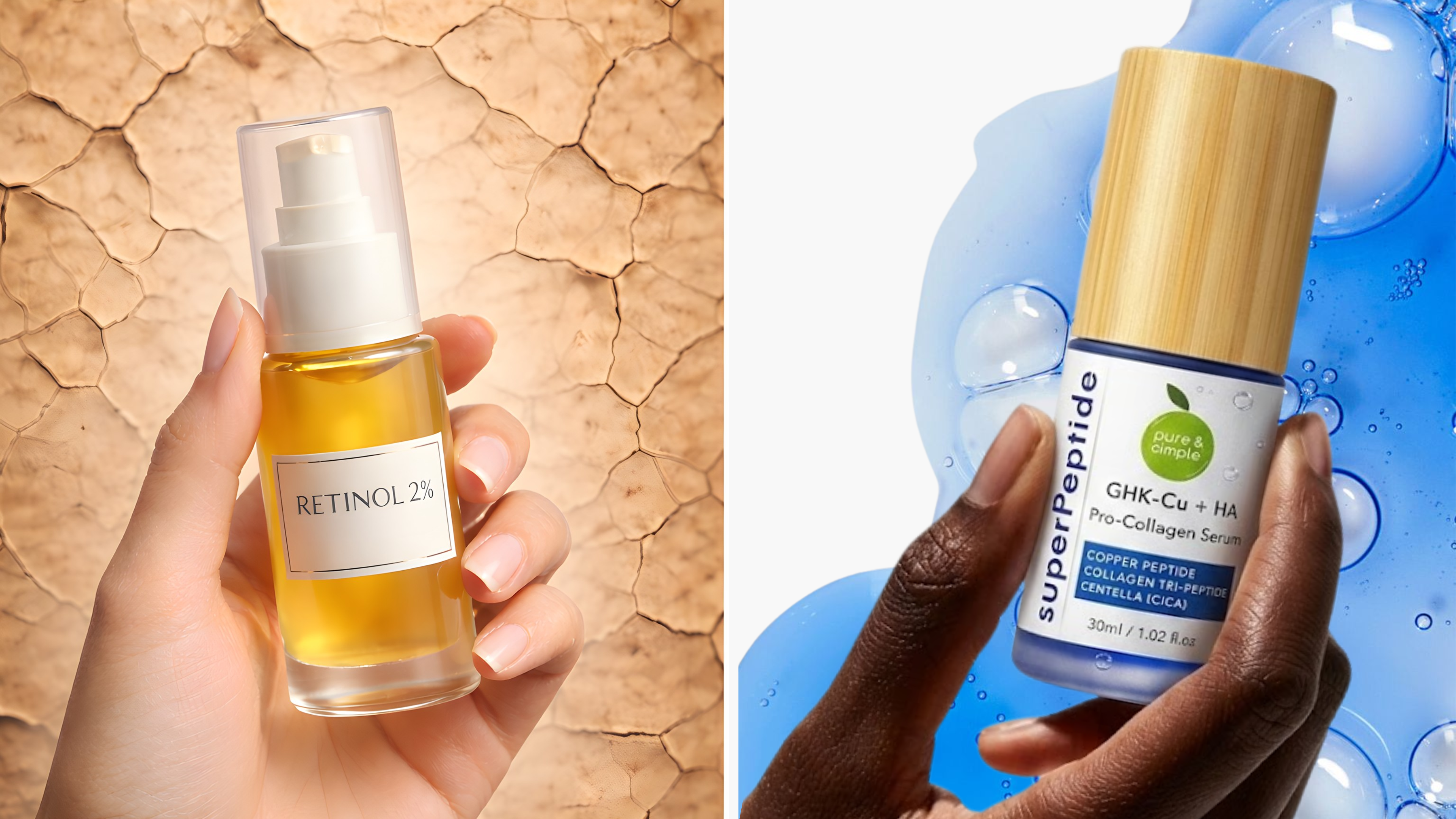
1. Concentration: Look for clinical-grade purity. For example, our superPeptide uses 1.0% Pure Crystalline GHK-Cu powder rather than a diluted solution.
2. The pH Balance: Ensure the formula sits between 5.8 and 6.0. If the product is too acidic, the copper ions can "chelate" (break down) and lose their potency.
3. Delivery System: Peptides work best in oil-free, water-based environments that allow them to penetrate deep into the dermis.
Which One is Right for You - Retinol or Copper Peptide?
If your goal is to tackle oily skin and surface texture, Retinol remains a powerful tool. However, if you are over 40 and your priority is restoring lost density and firmness without the risk of irritation, Copper Peptides are the superior choice for long-term skin health.
By moving toward a "Barrier-First" approach, you aren't just masking the signs of time—you are giving your skin the biological building blocks to restore its own youthful resilience.
Frequently Asked Questions
Q: Which ingredients should I avoid mixing with Copper Peptides? Because Copper Peptides are delicate, they can lose their efficacy if "chelated" (broken down) by highly acidic ingredients. Avoid applying the following in the same routine as your Copper Peptide serum:
A: Direct Acids: Glycolic, Lactic, and Salicylic acids.
L-Ascorbic Acid: High-potency, low-pH Vitamin C.
Pro-Tip: If you want to use these actives, simply use them in your morning routine and save your Copper Peptides for your evening barrier-repair routine.
Q: Can I mix Copper Peptides with Retinoids?
A: It is best to separate them. While you can use them on alternating nights, applying them simultaneously can destabilize the copper ions.
Q:How long does it take to see results?
A: While you may feel increased hydration immediately, structural remodelling—which is the goal of GHK-Cu - typically takes 4 to 8 weeks of consistent use.
Q: Is it safe for rosacea or eczema-prone skin?
A: Because GHK-Cu is naturally anti-inflammatory and supports the skin barrier, it is generally much better tolerated than retinol for those with skin sensitivities. Always patch test new products, but Copper Peptides are often a soothing alternative for reactive complexions.